
Sir Tim Berners-Lee created the World Wide Web 30 years ago with a very different vision for global connectivity to what has materialised so far.
The world wide web: from utopian to dystopian
The foundations of the World Wide Web were developed by Sir Tim Berners-Lee as part of his work at CERN in 1989. What made his software fundamentally different to other information systems being used on the internet was that the code was released by CERN for free, for anyone to use. Berners-Lee and others believed that to realise its potential the World Wide Web should be considered a public good, rather than being patented or gated.
Early adopters were somewhat utopian. They believed that this new technology would be the basis of new social possibilities — decentralized, egalitarian, harmonious and free. The internet soon morphed from a countercultural enclave to a global community of users and prerequisite for economic prosperity.
With unprecedented human connectivity, access to knowledge and innumerable day-to-day conveniences, the Web also has a dark side characterised by lack of transparency, the exploitation of user data, manipulation of human behaviour, misinformation and enabling a plethora of illegal activities. Instead of being the utopia people hoped for, the web serves as a reflection of ourselves and the societies that we live in — and is becoming a dystopian engine fuelled by data that is not merely reflecting, but changing the human experience to serve corporate profit.
For a better web and digital innovation
In light of the direction his invention has taken, Sir Tim Berners-Lee is now taking part in initiatives to reclaim the internet as an open platform serving purposes that benefit rather than harm humanity. At the global Web Summit in Lisbon he launched the World Wide Web Foundation’s #FortheWeb initiative, aiming to generate momentum for a global movement to counter the concentration of power on the web.
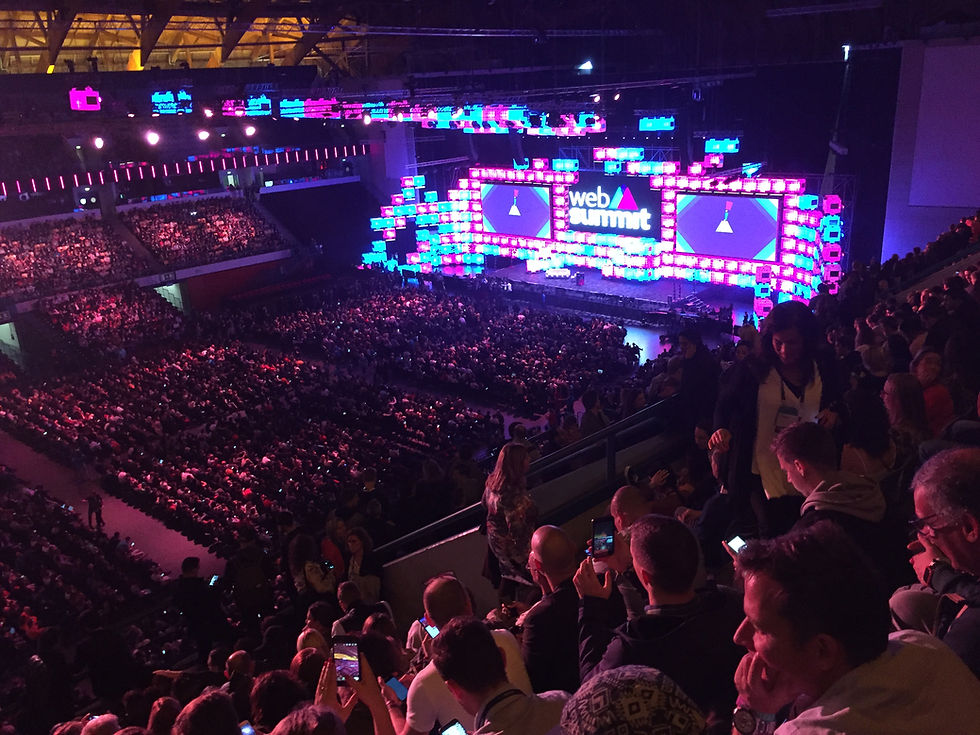
Berners-Lee is also working on Solid, a project which will enable internet users to securely store and control their personal data through a data ‘POD’, providing a way for individuals to allow access to their data on an as-needs basis, rather than unknowingly providing hordes of data to different companies who then have control over it.
Although our internet society is far from reflecting the tenets needed for a truly open and human-serving web, we must remember that the global adoption of the World Wide Web is still in its formative years. If social and ethical considerations are part of development, design and implementation processes to come, then there is opportunity for course correction — and new human-oriented technological solutions and platforms that enrich rather than diminish the social fabric of societies can be realised.
 Tina Gallico